

Common Hurdles in Redevelopment Projects and How to Overcome Them
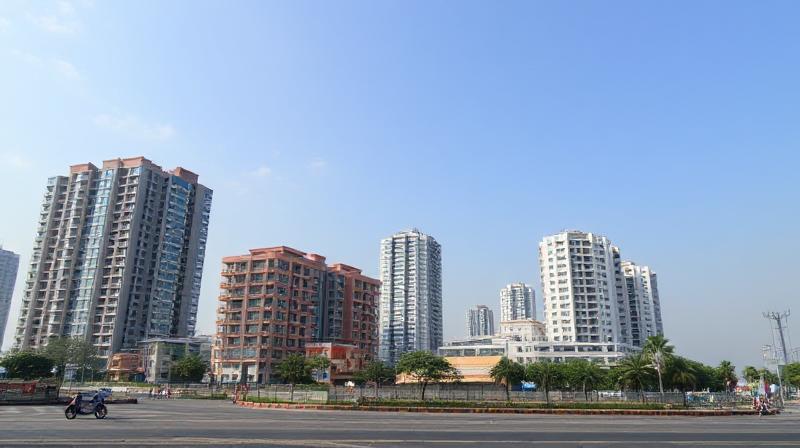
Redevelopment has emerged as a key solution to aging infrastructure, land scarcity, and growing urban populations—especially in fast-growing cities like Pune. From society redevelopment to large-scale urban renewal, such projects unlock better living standards, modern amenities, and efficient land use.
Yet, despite the benefits, redevelopment projects in Pune and across India are often riddled with delays, disputes, and uncertainties. Understanding these hurdles—and knowing how to navigate them—can make all the difference.
Legal and Regulatory Delays
One of the biggest challenges in redevelopment projects is navigating the complex legal and regulatory framework. Builders and housing societies must obtain permissions from multiple authorities—PMC (Pune Municipal Corporation), fire department, airport authority, and more. Delays in clearances, title verifications, and encumbrance certificates often stall projects for months.
Developers should put a legal due diligence team in place before any paperwork begins. Ensuring accurate documentation and complying with updated building and environmental norms can significantly reduce approval timelines. Societies benefit from partnering with experienced redevelopment builders in Pune who are well-versed with PMC processes, MahaRERA regulations, and online approval systems.
Lack of Consensus Among Society Members
In society redevelopment, gaining consensus from all flat owners is often the toughest hurdle. While some members have unrealistic expectations, others may mistrust developers due to past experiences. These interpersonal issues can stall projects before they even begin.
Transparency is key. Societies should host meetings with third-party consultants or legal advisors who can explain the benefits and risks clearly. Developers must present feasible plans, highlight timelines, and showcase their track record. Involving stakeholders early helps reduce conflicts and build trust across the board.
Financial Instability of Developers
A major redevelopment risk lies in choosing a financially unstable developer. Market changes, cost overruns, or delays can cripple a builder’s capacity, leaving societies with half-finished projects—a scenario witnessed in several parts of Pune.
Societies should assess the financial health of developers before signing agreements. This includes reviewing past project completions, bank guarantees, and tie-ups with financial institutions or NBFCs. Opting for RERA-registered developers and escrow-based payment structures adds another layer of safety.
Temporary Relocation and Rent Issues
For residents, temporary relocation during construction is one of the most stressful aspects of redevelopment. Disputes over rent payouts, temporary housing, or delayed possession are common reasons for friction between builders and societies.
Transparent agreements and fair compensation structures are crucial. Development Agreements must clearly outline rent amounts, lock-in periods, and escalation clauses. Some Pune developers even provide rental homes nearby to ensure continuity in schooling and work for residents. Such thoughtful planning transforms relocation from a hurdle into a smooth transition.
Unforeseen Site Conditions
Old structures often conceal hidden flaws—like asbestos, weak soil, or poor drainage connections—that are only discovered during demolition. These issues can increase costs and cause design changes or project delays.
Pre-redevelopment surveys and soil testing should be mandatory. Structural audits and modern tools like GPR (ground penetrating radar) can provide accurate site assessments. Developers should also allocate contingency budgets to manage unforeseen conditions without derailing the project.
Environmental and Sustainability Concerns
With Pune becoming increasingly conscious of its ecological footprint, redevelopment projects are now expected to adopt sustainable practices. Authorities mandate features like rainwater harvesting, solar panels, and waste segregation, and ignoring these leads to further hurdles in approvals.
Sustainability must be integrated from the planning stage. Developers should aim for green certifications such as IGBC or GRIHA and install energy-efficient systems by default. Educating society members about the long-term savings and higher resale value of eco-friendly projects helps align all stakeholders.
Conclusion
Redevelopment projects are transformative but complex undertakings. They breathe new life into old neighborhoods, enhance real estate value, and improve quality of life—when executed with planning, precision, and partnership.
By understanding the common hurdles in redevelopment—from legal delays and financial risks to relocation disputes and environmental norms—and addressing them proactively, both developers and housing societies can ensure smoother execution and better outcomes. If you’re exploring redevelopment in Pune, choose a partner with technical expertise, financial strength, and transparent communication. Done right, redevelopment not only builds modern homes—it rebuilds trust and a brighter future for entire communities.